
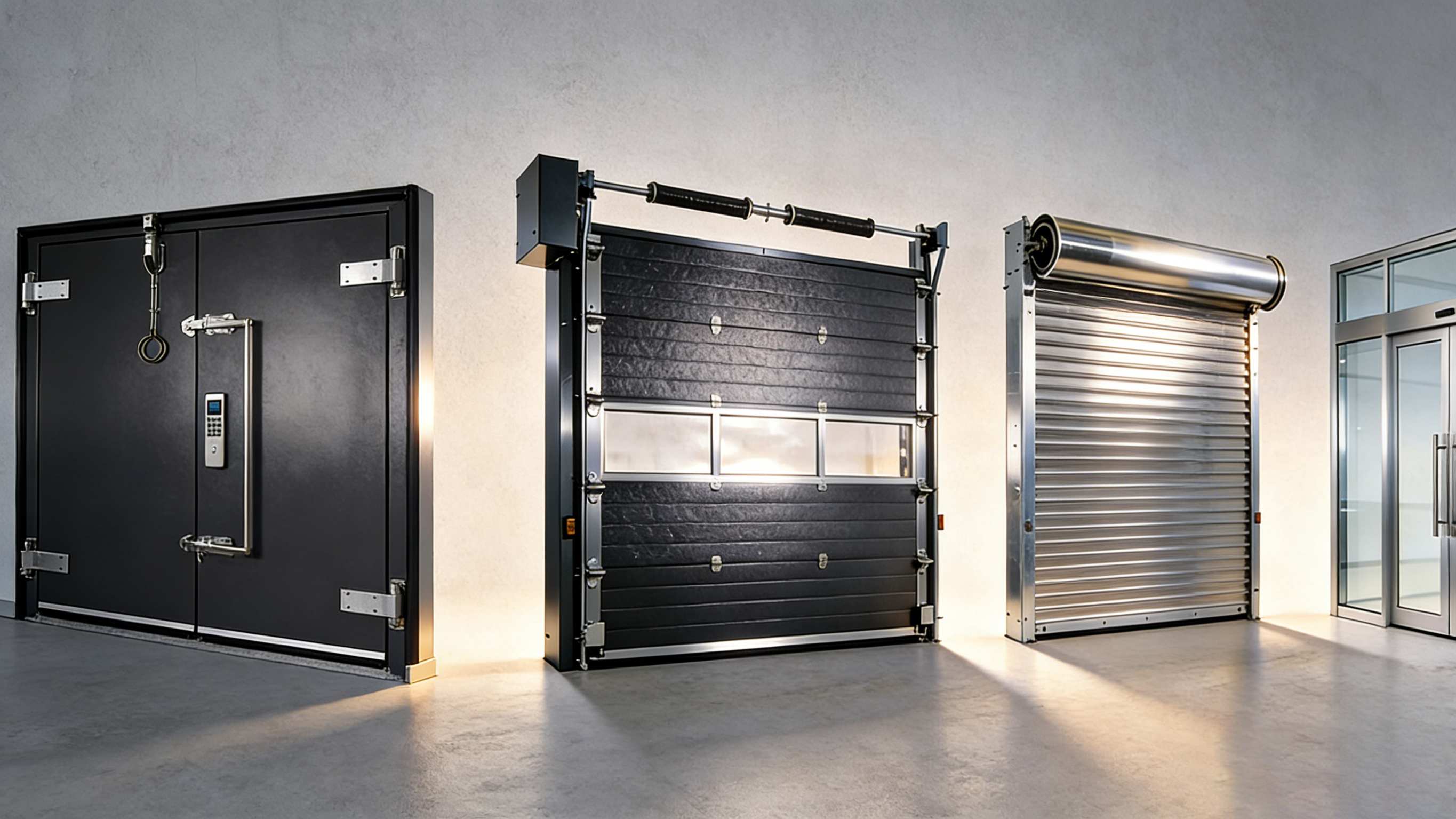
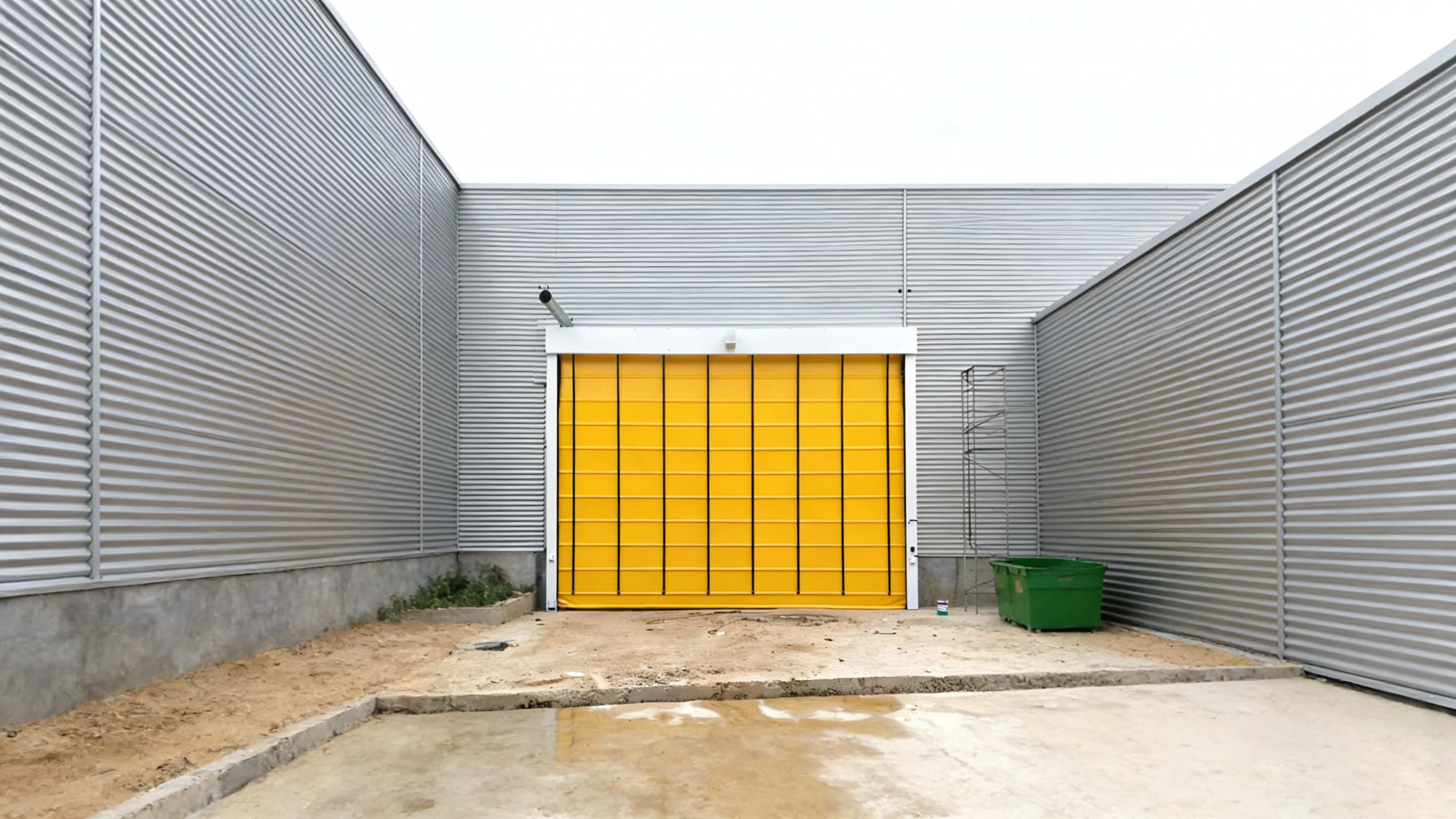
In today's industrial procurement decisions, "cost-effectiveness" has become a critical benchmark for measuring investment value. However, when it comes to high-speed doors—high-frequency industrial facilities—many companies still fall into the misconception that "low price equals the optimal choice." For enterprises genuinely focused on long-term cost control, procurement logic should go beyond the initial price and delve into the product's full lifecycle value.
I. Hidden Costs of Low-Price Procurement
1. Implicit Maintenance and Replacement Costs
Low-price products, often achieved by compromising quality, tend to have higher failure rates. Frequent issues such as torn door curtains, motor failures, and unstable control systems not only accumulate repair costs but also lead to secondary procurement expenses due to premature equipment failure. In the long run, total expenditures often far exceed those of high-quality products.
2. Safety Risks and Compliance Hazards
Simplified safety configurations are common in low-price products. Hazards like unexpected door falls or operational errors not only threaten personnel safety but may also cause production accidents and legal disputes, resulting in immeasurable losses for the enterprise.
3. Impact on Production Processes and Energy Efficiency
High-speed doors play a key role in maintaining environmental control and ensuring logistics efficiency. Frequent failures can lead to temperature control failures, logistics disruptions, and production halts, thereby affecting order fulfillment and corporate reputation, indirectly causing both economic and reputational losses.
II. Core Dimensions of High-Value Procurement
1. Durable and Reliable Product Performance
True cost-effectiveness stems from long-term, stable operation. High-quality high-speed doors use high-standard materials and precision craftsmanship to ensure excellent sealing, mechanical strength, and wear resistance even in harsh industrial environments. This significantly reduces downtime and energy loss, achieving cost savings through long-term operation.
2. Full-Cycle Service Support System
Comprehensive pre-sales consultation, professional installation, and responsive after-sales maintenance are key to ensuring continuous and efficient equipment operation. An extensive service network and regular maintenance mechanisms can effectively prevent failures, extend equipment lifespan, and maximize return on investment.
III. Practical Pathways to Optimal Procurement
1. Adherence to Authoritative Certification Standards
Prioritize products certified by international safety and performance standards (e.g., electrical safety, material durability, energy efficiency ratings). Certifications serve not only as endorsements of quality but also as crucial references for enterprises to reduce operational risks and ensure compliance.
2. Emphasis on Insurance and Warranty Terms
Products accompanied by quality insurance and liability coverage can effectively transfer potential risks, providing additional financial protection for the enterprise. This also reflects the manufacturer’s confidence in the reliability of its products.
3. Evaluation of Comprehensive Solution Capabilities
Suppliers should be capable of offering tailored product designs and supporting services based on application scenarios (e.g., clean rooms, cold storage, high-frequency passageways). From on-site surveys and customized solutions to ongoing operational support, systematic service capabilities are fundamental to ensuring that equipment consistently meets operational needs.
4. Balancing Cost and Value
Competitive pricing should be achieved through optimized production processes and supply chain management, not by compromising quality standards. By optimizing manufacturing efficiency and cost structures, enterprises can obtain high-performance products and professional services at reasonable investments, embodying the true meaning of "high value for money."
Conclusion
For enterprises focused on cost-effectiveness, procurement decisions for high-speed doors should be based on a full lifecycle cost analysis. The initial price is merely the tip of the iceberg; true economic value comes from the product’s long-term reliability, operational efficiency, safety compliance, and continuous service support. Choosing solutions that emphasize long-term value, possess robust quality assurance systems, and offer professional service capabilities will enable genuine cost reduction and efficiency improvement in ongoing operations, providing reliable support for stable production and operations.perations.